Mold Toxicity Explained: Symptoms, Detox Pathways, and How It Affects the Whole Body
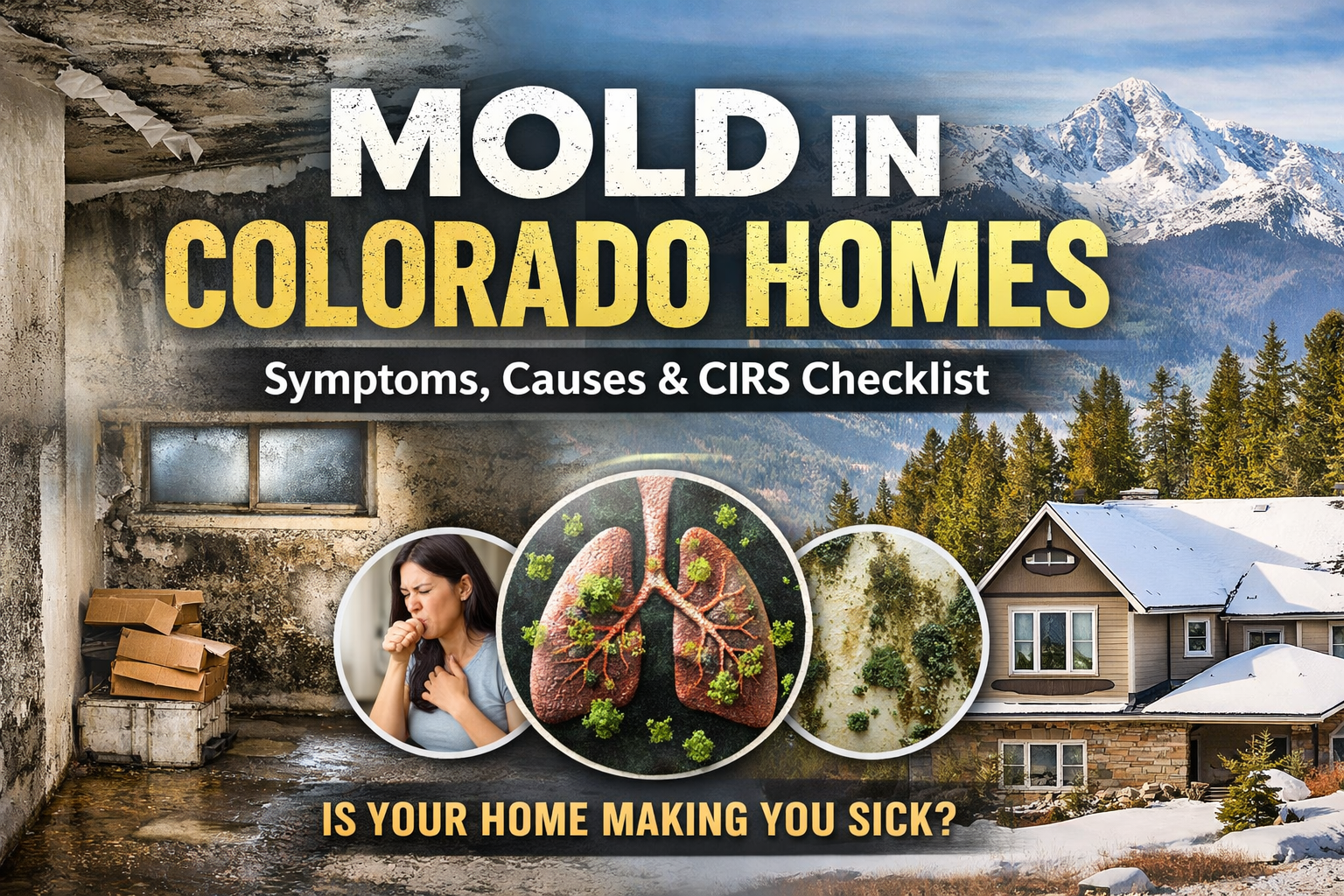
When people search “mold toxicity symptoms”, they’re often expecting a short list—like sneezing or congestion.
But many individuals first notice something very different.
👉 Brain-related symptoms often show up early—and get overlooked.
Things like:
- Brain fog
- Trouble concentrating
- Memory lapses
- Headaches or migraines
- Sensitivity to light or sound
These symptoms don’t immediately point to mold for most people—which is why the connection is often missed.
And over time, symptoms may expand beyond the brain and start affecting multiple systems in the body.
What Is Mold Toxicity?

Mold itself isn’t always the issue—it’s what mold produces.
Certain molds release mycotoxins, which are small compounds that can enter the body through:
- Breathing contaminated air (mycotoxins, bacteria/actinomyces, endotoxins)
- Skin contact
- Ingestion (less common)
Once inside, these compounds can interact with different systems—especially the immune and respiratory systems.
Research shows that exposure to mold and damp environments is associated with respiratory symptoms and immune responses
🔗 https://pubmed.ncbi.nlm.nih.gov/17619553/
How Mold Affects Detox Pathways
Your body is constantly working to process and remove substances through:
- Liver (processing and neutralizing toxins)
- Kidneys (filtering waste)
- Gut (elimination)
- Lymphatic system (movement of waste and immune support)
- Brain (blood-brain barrier)
When exposure is ongoing, these systems may be placed under increased demand.
👉 Think of it like a system handling more input than usual—it may not “break,” but it can become less efficient over time.
How Mold Can Affect Multiple Body Systems
One of the most important (and often missed) aspects of mold exposure is that it doesn’t just affect one area—it can influence multiple systems at once.
🧠 Nervous System (Brain & Cognitive Function)
Often one of the earliest affected systems.
Possible symptoms:
- Brain fog
- Difficulty concentrating
- Memory issues
- Headaches or migraines
- Sensory sensitivity (light, sound)
These may be linked to inflammatory responses and how the body reacts to environmental stressors.
🫁 Respiratory System
The most commonly recognized area.
Possible symptoms:
- Chronic cough
- Wheezing or shortness of breath
- Sinus congestion
- Post-nasal drip
Studies consistently show that mold exposure is associated with increased respiratory and asthma-related symptoms
🔗 https://pubmed.ncbi.nlm.nih.gov/17661925/
🛡️ Immune System
The immune system responds to mold as a foreign substance.
With ongoing exposure, this can lead to persistent immune activation.
Possible symptoms:
- Increased environmental sensitivity
- Frequent infections
- Allergy-like reactions
- Feeling constantly “run down”
Research has shown consistent associations between mold exposure and immune-related responses
🔗 https://pubmed.ncbi.nlm.nih.gov/21269928/
🌿 Digestive System (Gut Health)
The gut plays a major role in eliminating processed toxins.
Possible symptoms:
- Bloating or discomfort
- Changes in bowel habits
- Food sensitivities
- Nausea (in some cases)
⚡ Energy & Metabolic Function
One of the most common—but often overlooked—patterns.
Possible symptoms:
- Persistent fatigue
- Low energy despite rest
- Reduced stamina
🧴 Skin
The skin can reflect internal stress or exposure.
Possible symptoms:
- Rashes
- Itching
- Increased sensitivity
Why Symptoms Can Feel So Widespread
A common question:
👉 “Why do my symptoms seem unrelated?”
Because multiple systems are involved, symptoms may appear disconnected—respiratory, neurological, digestive, and more.
But they may share a common environmental trigger.
Why Some People Are More Sensitive to Mold
Not everyone exposed to mold experiences the same symptoms.
Factors include:
- Genetics (why one person in a household may be affected while others are not)
- Immune system responsiveness
- Existing health conditions
- Duration of exposure
- Detoxification capacity
Large reviews show that while mold exposure affects many people, severity and type of symptoms vary widely
🔗 https://pubmed.ncbi.nlm.nih.gov/38198040/
Common Mold Toxicity Symptoms (Quick Overview)
If you’re searching “signs of mold toxicity”, here’s a simplified summary:
- Brain fog and poor concentration
- Persistent fatigue
- Sinus or respiratory issues
- Headaches or pressure
- Digestive discomfort
- Skin irritation
- Symptoms that worsen in certain environments
Why This Often Gets Missed
Many people end up treating symptoms individually:
- Sinus issues
- Fatigue
- Headaches
But when multiple systems are involved, it may be worth asking:
👉 Could there be a common underlying factor?
Tools That Can Help Identify Patterns
If mold exposure is a concern, there are simple screening tools that can help provide insight:
📝 CIRS Questionnaire
The Chronic Inflammatory Response Syndrome (CIRS) questionnaire helps identify symptom patterns associated with biotoxin exposure.
It looks at clusters of symptoms across multiple systems—not just one.
Read more and answer the CIRS questionnaire here: https://mountainrootshh.com/mold-in-colorado…s-health-effects/
👁️ VCS Test (Visual Contrast Sensitivity Test)
The VCS test measures how well you can distinguish contrast between shades.
Changes in this can sometimes reflect how environmental exposures may be affecting neurological function.
👉 Both tools are non-invasive, accessible, and often used as early screening steps before deeper evaluation.
🔗https://mountainroots.vcstest.com/
What You Can Do Next
If this resonates, start simple:
- Notice where symptoms improve or worsen
- Reflect on your home or work environment
- Address moisture or ventilation issues early
- Focus on patterns instead of isolated symptoms
- Consider completing a CIRS questionnaire and VCS test
A More Empowered Perspective
Your body isn’t failing you.
If you’re experiencing symptoms, it may be your body responding to something it’s encountering regularly.
Understanding that connection can be the first step toward clarity.
How Mountain Roots Holistic Healthcare Can Help
At Mountain Roots, we help patients explore how environmental factors—including mold—may be influencing their health.
We support you by:
- Looking at patterns across multiple systems
- Identifying possible triggers
- Guiding appropriate next steps
- Creating personalized care plans
✨ If this sounds familiar…
If your symptoms feel scattered, persistent, or unexplained, this may be the right time to look deeper.
👉 Book an intro session with Mountain Roots Holistic Healthcare
and start connecting the dots.
References
https://pubmed.ncbi.nlm.nih.gov/17619553/
https://pubmed.ncbi.nlm.nih.gov/17661925/
https://pubmed.ncbi.nlm.nih.gov/38198040/