
You Lost the Weight. So Why Don’t You Feel Better?
When weight loss happens… but recovery doesn’t
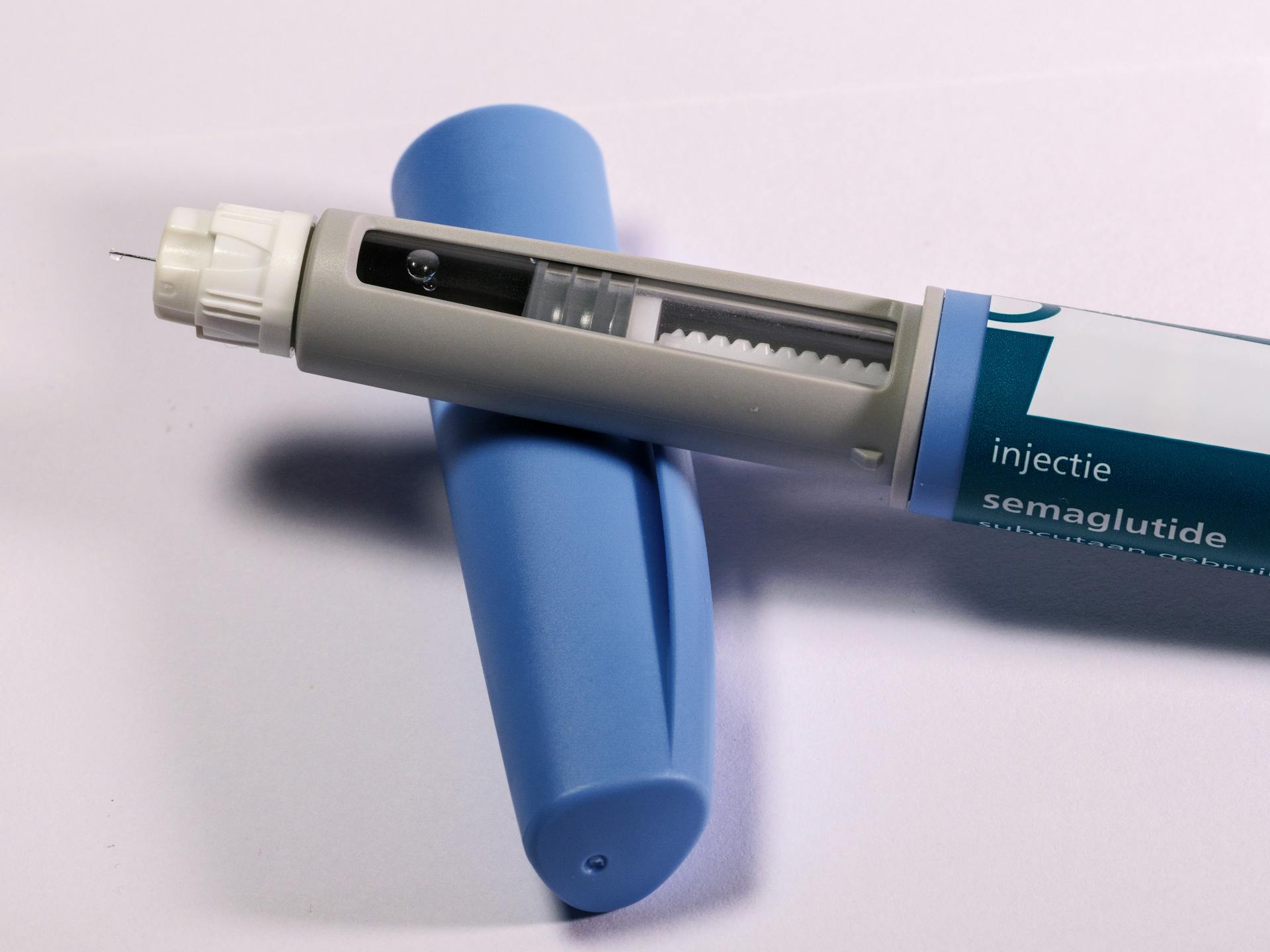
GLP-1 medications changed the conversation.
People who struggled for years finally saw the scale move. Appetite quieted. Blood sugar steadied.
For many, that alone was life-changing. And then something subtler appeared.
- You’re lighter — but not necessarily stronger.
- You eat less — but energy still fades by afternoon.
- Workouts feel harder to recover from than before.
- You start wondering what happens when the injections stop.
This is the point where most plans end.
In our clinic, it’s where the real work begins. Because shrinking is not the same as restoring.
What GLP-1s Do Well — and What They Don’t Try to Do
GLP-1 therapy improves regulation. It helps your brain and gut coordinate hunger and glucose signals more appropriately. That alone can produce meaningful metabolic improvement.
But it does not directly rebuild:
- recovery capacity
- connective tissue resilience
- sleep depth
- muscle signaling
- cellular energy production
So a person can lose weight and still feel physiologically underpowered.
The question shifts from:
“How do we lose more?”
to:
“How do we function better inside the body we just changed?”
That’s where peptide therapy becomes less about fat loss and more about rebuilding communication.
The Recovery Signals: CJC-1295 + Ipamorelin
These are not fat-loss medications. They are timing signals.
This combination encourages the brain to release restorative pulses — primarily during sleep — when repair is biologically meant to occur.
We consider them when patients notice:
- longer recovery after training
- persistent soreness
- shallow sleep
- a feeling of being “tired but wired”
- difficulty rebuilding muscle after weight loss
The goal is not stimulation. It is restoring rhythm — helping the body re-enter a nightly repair pattern many people lost years before the weight gain ever started.
Often this matters most after progress, not before it.
The Repair Layer: BPC-157
Some limitations are mechanical, not metabolic.
You may now have the motivation to move — but joints, tendons, or digestion still resist.
People commonly describe:
- knees that never fully settled after old injuries
- shoulders that limit training intensity
- a gut that reacts to normal foods
- chronic low-grade inflammation despite normal labs
BPC-157 is often used as a supportive repair signal in those situations.
In practice, this is frequently the difference between: being able to lose weight and being able to live actively in the new body. Because the missing step between progress and freedom is often comfort in movement.
The Energy Layer: MOTS-c
Some patients don’t feel injured — they feel inefficient.
They notice:
- carbohydrates hit harder than expected
- energy crashes after effort
- quick regain from small deviations
- fatigue despite adequate sleep
This reflects metabolic inflexibility — the cells struggle to switch fuel sources smoothly.
MOTS-c is a mitochondrial signaling peptide studied for its role in cellular energy regulation.
Here the goal is not appetite suppression. It is improving how the body uses fuel once it arrives. Instead of turning hunger down, we work on turning capacity up.
Thinking in Phases, Not Products
Most people ask:
“Which peptide should I take?”
A more useful question is:
“Where am I in the process?”
We think in phases.
1) Regulation Phase
- GLP-1 therapy (if appropriate)
- Stabilize appetite and glucose signaling
2) Rebuild Phase
As dosing reduces or stops:
- CJC/Ipamorelin → sleep and recovery rhythm
- BPC-157 → tissue tolerance and movement capacity
- MOTS-c → energy utilization
3) Resilience Phase
Adjust around real life: training, aging, travel, stress, work cycles. The aim is not indefinite injections. The aim is helping the body remember patterns it previously maintained on its own.
Not a Peptide Menu — A Peptide Map
You don’t need more interventions. You need sequence.
In our practice we:
- start with history, labs, and medications
- identify the primary limitation (energy, pain, recovery, or regain risk)
- layer signals intentionally
- adjust based on response, not protocol alone
Because GLP-1s can change weight. But rebuilding function determines whether that change lasts — and whether you feel capable inside it.
Your Next Step
Already using a GLP-1 — or recently finished — and unsure what comes next?
We can map a rebuild plan focused on energy, strength, and long-term stability, not just maintaining a number on the scale.
References & Clinical Context
GLP-1 medications primarily influence appetite and glucose regulation
GLP-1 receptor agonists promote weight loss mainly through appetite signaling and delayed gastric emptying rather than muscle restoration or recovery pathways.
https://pubmed.ncbi.nlm.nih.gov/33636345/
Loss of lean mass commonly accompanies weight reduction
Clinical research shows a portion of weight lost during pharmacologic or dietary weight loss may include lean tissue, supporting the need for rebuilding strategies.
https://pubmed.ncbi.nlm.nih.gov/25614201/
Growth hormone–related peptides influence sleep and tissue repair signaling
Growth hormone secretagogues stimulate pulsatile GH release, which is associated with recovery and body composition regulation.
https://pubmed.ncbi.nlm.nih.gov/12055985/
Mitochondrial peptides and metabolic flexibility
Mitochondrial-derived peptides such as MOTS-c are being studied for their role in insulin sensitivity and cellular energy regulation.
https://pubmed.ncbi.nlm.nih.gov/25880856/